NASA testing advanced capabilities for moon, Mars rovers

On a bleak stretch of the Colorado Desert in Southern California, a compact four-wheeled rover recently trundled 16 miles (26 kilometers) with minimal intervention from the team of engineers trailing it. Called ERNEST (Exploration Rover for Navigating Extreme Sloped Terrain), this prototype is being used by NASA to advance both robotic autonomy and the ability to traverse challenging landscapes.
The science section covers breakthroughs in medicine, physics, biology, and technology. We surface discoveries that expand what humanity can do, from new treatments reaching clinical trials to engineering feats that seemed impossible a decade ago. Every link goes to the original publisher so you can read the full study or press release yourself.
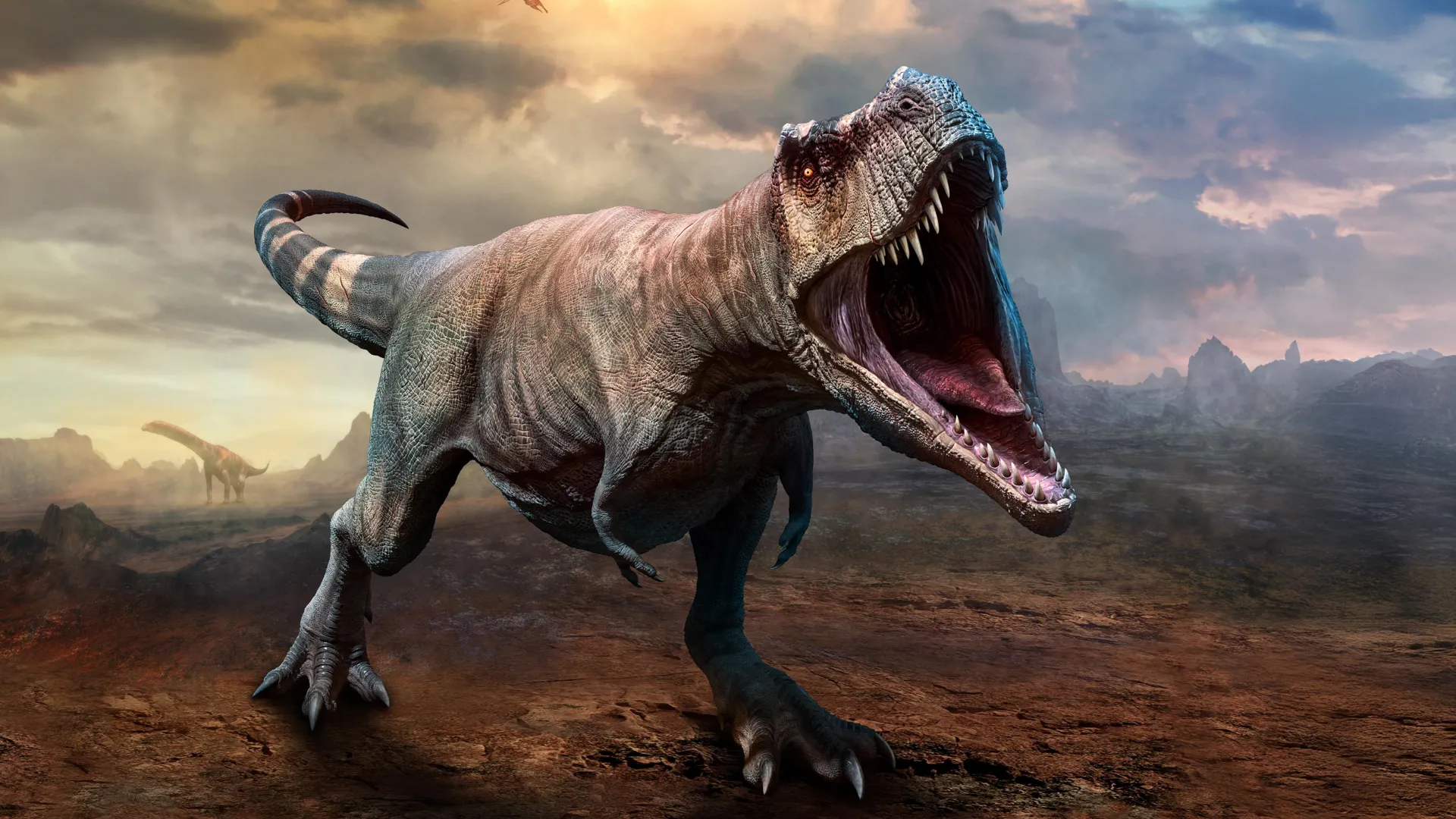
Tyrannosaurus rex may have been a much slower grower than scientists realized. A new study of 17 tyrannosaur fossils fou…

As newborn neurons make their way through the developing brain, they must squeeze through incredibly tight spaces to rea…

Despite centuries of study, scientists are still finding new details and even overlooked structures within the human bod…

A remarkable quality of bioengineering is that scientists can take biological processes honed by millions of years of ev…